
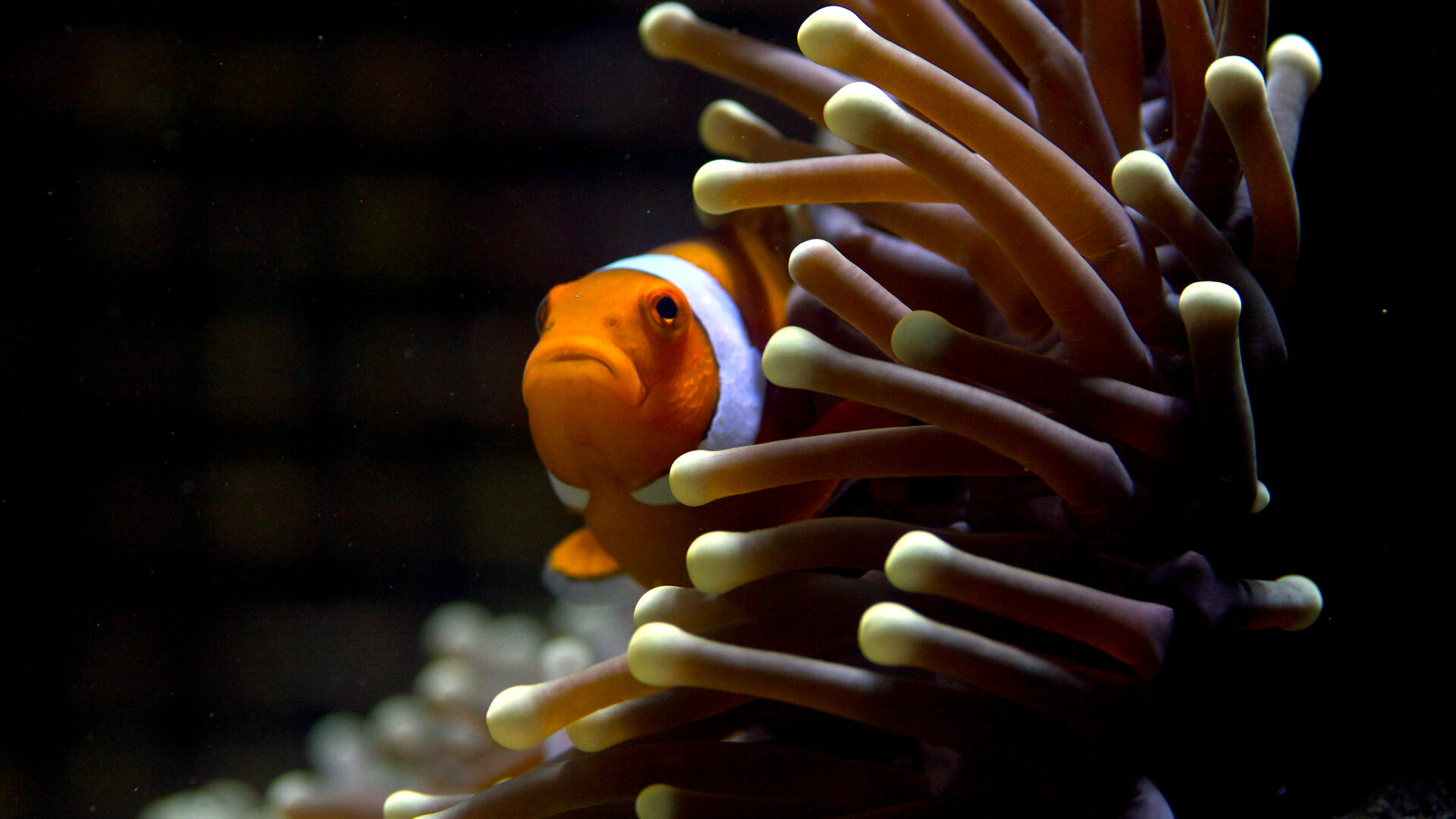
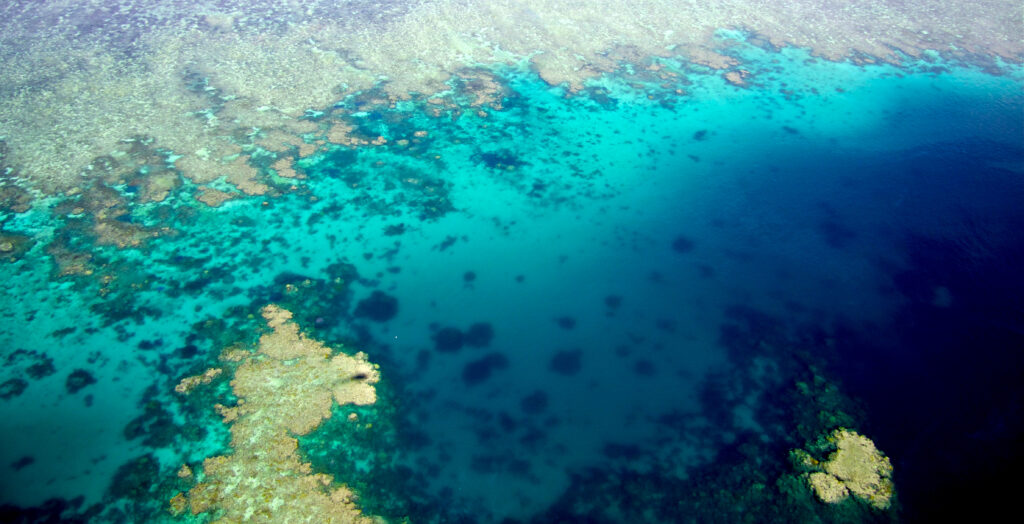
The ocean holds few wonders as breathtaking as Australia’s Great Barrier Reef, a living cathedral stretching more than 2,000 kilometres along the Queensland coastline. This is not simply a coral reef – it is the largest biological structure on the planet, visible from space, and teeming with life at every depth. Great Barrier Reef arrives on Viasat Nature with presenter Monty Halls, who explores the reef along its full length in a portrait of one of the world’s great natural icons.
The Scale of a 2,000-Kilometre Living World
TCalling the reef large barely does it justice. The system takes in around 2,900 individual reefs and 900 islands, and supports more than 1,600 species of fish. What makes it remarkable is that it was built entirely by living organisms: coral polyps, often only a few millimetres across, laying down limestone skeletons over thousands of years.
Remarkable Adaptations of Coral Reef Species
Life on the reef has evolved some remarkable strategies. Coral polyps live in partnership with photosynthetic algae called zooxanthellae, which live within their tissues and can provide up to 90 percent of their energy from sunlight. When sea temperatures rise even slightly above normal, corals expel these algae in a stress response, causing the bleaching events that signal serious ecological distress. Mantis shrimp, meanwhile, can see ultraviolet and polarised light, giving them a view of the reef that humans cannot perceive.
How Marine Life Survives Through Hidden Connections
Every species on the reef depends on others. Cleaner wrasse run “cleaning stations” where larger fish, including predators, wait to have parasites removed, and a single wrasse can serve more than 2,000 clients in a day. Parrotfish grind coral with their beak-like teeth, producing much of the fine white sand found on tropical beaches. Remove one species, and the effects can ripple through the entire ecosystem.
Conservation Challenges Facing the Reef Today
The reef faces serious threats. Climate change, agricultural runoff and outbreaks of crown-of-thorns starfish have all placed heavy pressure on its health. One major study found the reef lost about half of its corals between 1995 and 2017, and repeated mass bleaching events have followed since. The Marine Park that protects it covers about 344,000 square kilometres, an area larger than Italy.
Where to Watch
- Episode premieres
- Tuesday to Thursday
- 10 November 2026 to 12 November 2026
- 20:00 CET
- See full TV schedule
FAQ: Great Barrier Reef
Q: Who presents the Great Barrier Reef documentary series?
A: Monty Halls, a marine biologist and broadcaster, guides viewers along the full 2,000-kilometre length of the reef.
Q: What makes the Great Barrier Reef the largest living structure on Earth?
A: It is built entirely by living coral polyps over thousands of years, forming a system of around 2,900 reefs. No other structure created by living organisms comes close to its size.