
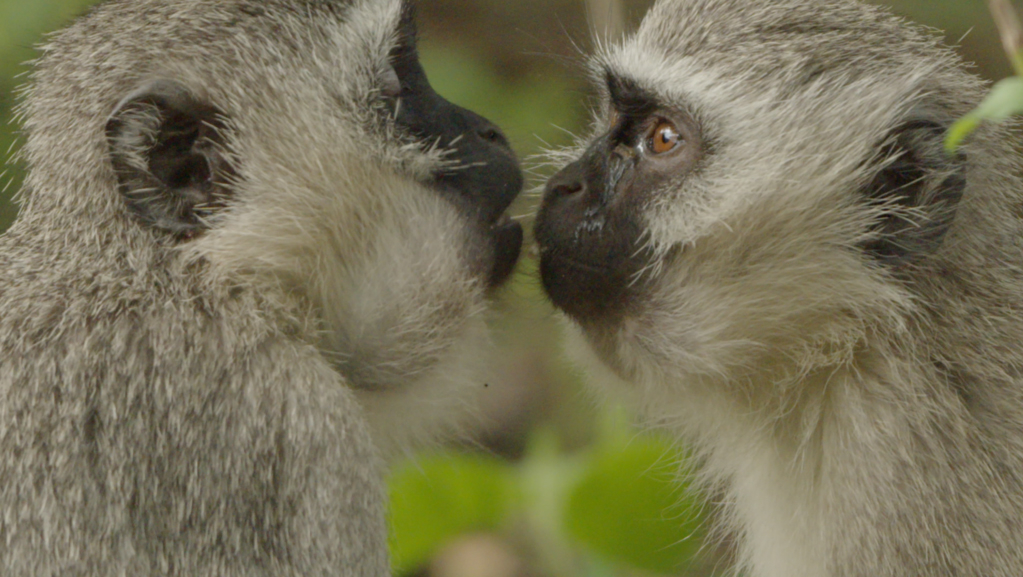
Imagine standing in a forest where every rustle, chirp, and growl carries a hidden message – a complex conversation happening right above your head. Animals Decoded, the groundbreaking documentary series directed by Herve Glabeck and narrated by Michelle Read, transforms our understanding of how wildlife communicates. From the depths of the ocean to the canopy of tropical rainforests, this remarkable exploration reveals that nature operates on a sophisticated network of signals, sounds, and gestures that rival human language in complexity and exceed it in diversity.
The Hidden World of Animal Communication Revealed
Animals Decoded unveils the intricate ways creatures share information crucial for survival. Prairie dogs, for instance, don’t simply bark warning calls – they construct detailed sentences describing predator type, size, speed, and direction of approach. Their “vocabulary” contains specific words for humans, hawks, and coyotes, complete with descriptive adjectives. This linguistic precision allows entire colonies to respond appropriately to different threats, showcasing communication systems that evolved millions of years before human speech.
How Wildlife Languages Shape Ecosystem Survival
The series demonstrates how animal communication networks form the backbone of healthy ecosystems. Dolphins develop signature whistles – essentially names – that they use throughout their lives, creating social bonds that span decades. These acoustic relationships enable complex hunting strategies where different pod members coordinate roles through specialized clicks and calls. When communication breaks down due to ocean noise pollution, entire hunting patterns collapse, revealing how deeply intertwined language and survival truly are.
Decoding the Science Behind Animal Conversations
Animals Decoded translates cutting-edge research into accessible revelations about wildlife behavior. Researchers now recognize that elephants communicate across vast distances using infrasonic rumbles below human hearing range. These low-frequency messages travel through the ground, allowing family groups to coordinate movements across savannas spanning dozens of miles. The series showcases how scientists use advanced audio equipment and artificial intelligence to decode these conversations, discovering that elephants discuss water sources, mating opportunities, and danger with remarkable specificity.
Conservation Through Understanding Animal Languages
Perhaps most powerfully, Animals Decoded illustrates how deciphering wildlife communication can revolutionize conservation efforts. By understanding what animals are actually saying, researchers can identify stressed populations, track breeding success, and detect environmental threats before they become visible. Whale songs, for example, reveal migration routes and feeding grounds that shift with climate change, providing early warning systems for marine ecosystem disruption.
Where to Watch
Don’t miss this fascinating exploration of nature’s hidden conversations. Animals Decoded airs on Viasat Nature, offering viewers unprecedented insights into the secret languages that surround us every day.
FAQ: Animals Decoded
Q: What makes animal communication different from human language? A: Animal communication systems often surpass human language in precision and efficiency. While humans rely heavily on learned vocabulary, many animals combine innate signals with environmental context to create meaning that’s immediately understood across their species without formal learning.
Q: Can humans actually learn to communicate with animals? A: While true two-way conversation remains elusive, researchers have successfully interpreted and even mimicked certain animal signals. The series shows scientists using recorded calls to elicit responses from wild animals, demonstrating our growing ability to participate in nature’s conversations.
Q: How does technology help decode animal languages? A: Advanced recording equipment, computer analysis, and artificial intelligence now allow scientists to detect patterns in animal communication that were previously invisible, revealing the sophisticated structure underlying seemingly simple animal sounds.